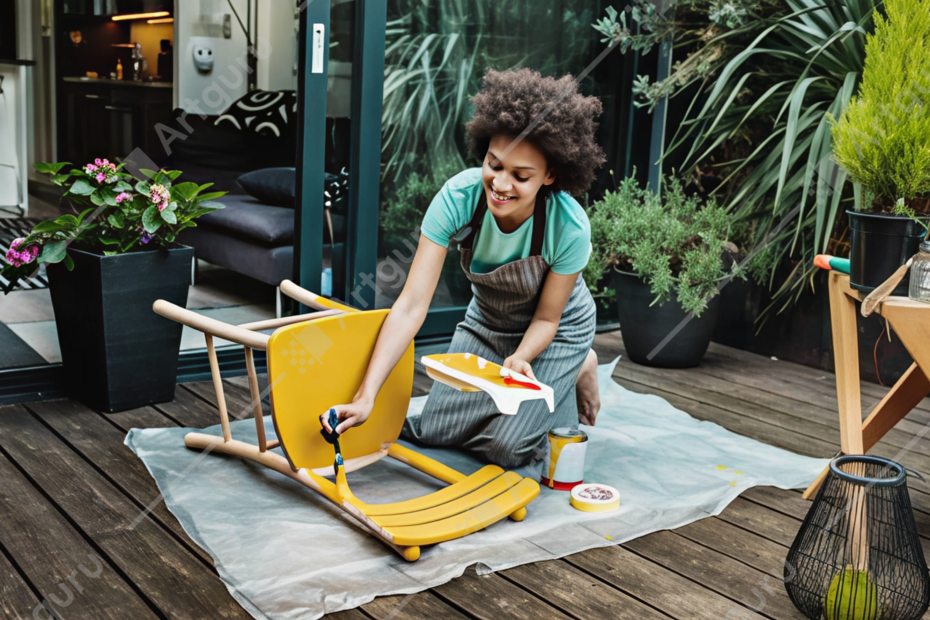
Better Home and Living: Simple Home Ideas
Better home and living starts with creating a space that feels comfortable, organized, and easy to manage. A beautiful home does not need expensive furniture or a complete renovation. Instead, small improvements can make everyday life more convenient.
Your home should support your daily routine. Each room can have a clear purpose, while useful belongings remain easy to find. At the same time, your personal style can make the space feel welcoming.
This guide shares practical ideas for creating a cleaner, more comfortable, and functional home without making things complicated.
What Does Better Home and Living Mean?
Better home and living is about making your home work well for your everyday needs. Comfort matters, but functionality is equally important.
A practical home should give you enough space to relax, work, prepare meals, and spend time with family. Therefore, your choices should match the way you actually use your home.
Consider these important areas:
- Organization
- Storage
- Cleaning
- Comfort
- Lighting
- Decoration
- Furniture
- Home maintenance
You do not need to improve everything at once. Instead, start with the areas that affect your daily life the most.
Start With Simple Home Organization
Good organization can make a home feel more spacious and comfortable. When everything has a place, finding everyday items becomes easier.
Begin with one small area. A drawer, shelf, desk, or kitchen cabinet can be a good starting point.
After organizing one space, move to another area. This approach keeps the process manageable and prevents unnecessary stress.
Moreover, regular organization can stop clutter from building up again.
Remove Unnecessary Clutter
Too many unused belongings can make rooms feel crowded. For this reason, review your belongings from time to time.
Separate items into simple groups. You might keep useful things, donate suitable items, recycle materials, or dispose of items that cannot be used.
However, avoid removing belongings simply because a particular design trend recommends minimalism. Personal and useful items can still have an important place in your home.
The goal is to create useful space rather than an empty house.
Choose Practical Storage Solutions
Storage plays an important role in better home and living. Suitable storage can keep everyday belongings organized while making rooms easier to use.
Shelves, baskets, cabinets, boxes, and drawers can all provide useful options. For example, frequently used items should remain within easy reach.
Meanwhile, seasonal or rarely used belongings can stay in less accessible storage areas.
Before buying new storage products, check the space you already have. You may discover that rearranging existing shelves or cabinets solves the problem.
Keep Everyday Surfaces Clear
Kitchen counters, dining tables, desks, and other surfaces can collect items quickly.
A simple habit can help. After using something, return it to its proper place.
Consequently, surfaces stay cleaner and daily cleaning becomes easier. A few minutes of tidying each evening can also prevent larger messes.
You do not need to clean the entire house every night. Focus instead on the areas you use most often.
Make Your Living Room More Comfortable
The living room should provide a comfortable place to relax and spend time with others.
Start by considering the furniture arrangement. People should be able to move around without constantly walking around chairs or tables.
Comfortable seating can make the room more inviting. In addition, suitable lighting, cushions, rugs, books, plants, and artwork can add personality.
Avoid filling every available space with furniture or decoration. Some open space can make the room feel calmer and easier to use.
Create a Relaxing Bedroom
A bedroom should feel comfortable and peaceful. Keeping unnecessary items away from the bed can create a cleaner atmosphere.
Organize clothing regularly and keep frequently used items easy to access. Soft lighting can also create a more relaxing environment.
Furthermore, comfortable bedding and a tidy room can make the space feel more pleasant.
Try to avoid using your bedroom as a general storage area. A simple layout can help the room serve its main purpose.
Make Your Kitchen More Functional
A well-organized kitchen can make everyday cooking easier.
Keep commonly used utensils, ingredients, and appliances in convenient locations. Grouping similar items together can also save time.
For example, cooking tools can stay in one area, while plates and glasses remain together.
In addition, check your cabinets and refrigerator regularly. Remove expired products and reorganize items when necessary.
A functional kitchen does not need to look perfect. It simply needs to work well for the people using it.
Create a Simple Cleaning Routine
Cleaning becomes easier when it becomes part of a regular routine.
Instead of waiting until every room needs attention, divide household tasks into smaller jobs.
For example, you can:
- Tidy rooms regularly
- Clean kitchen surfaces
- Wash bathrooms
- Dust furniture
- Vacuum floors
- Change bedding
- Remove household waste
Your schedule can depend on your home, lifestyle, and available time.
Most importantly, choose a routine that you can maintain. A simple cleaning plan is often more useful than an unrealistic schedule.
Improve the Lighting in Your Home
Lighting can change the atmosphere of a room.
Natural light can make spaces feel brighter during the day. Therefore, keep windows reasonably clear and avoid blocking useful daylight.
For evenings, choose lighting based on the purpose of each room.
A desk may need focused lighting, while a living room can benefit from softer general lighting. Similarly, bedside lighting can make reading more comfortable.
Small lighting changes can improve a room without requiring major renovation.
Add Decoration With Purpose
Decoration can make a home feel personal. However, too many decorative items can create visual clutter.
Choose pieces that match your taste and work with the space. Artwork, photographs, plants, cushions, books, and rugs can all add character.
Rather than following every interior design trend, choose items you expect to enjoy for a long time.
As a result, your home can feel more personal without becoming overcrowded.
Bring Natural Elements Indoors
Natural elements can add warmth and character to indoor spaces.
Plants are one simple option. You can also use wooden furniture, natural fabrics, flowers, or other materials that create a relaxed atmosphere.
Before adding plants, consider the amount of natural light available. Some varieties need more care than others.
Even one or two carefully chosen natural elements can make a noticeable difference.
Choose Furniture for Your Lifestyle
Furniture should match both your space and your daily needs.
Before buying something new, consider its size, purpose, comfort, and durability. A large sofa may look attractive, for example, but it might overwhelm a small room.
Instead, choose furniture that allows people to move around comfortably.
Multi-purpose furniture can also be useful in smaller homes. Storage beds, folding tables, and compact shelving can provide additional function without taking up unnecessary space.
Create a Dedicated Work Area
Working from home can become easier when you have a specific place for work.
A suitable desk, comfortable chair, and adequate lighting can create a more practical workspace.
Keep important work materials together. That way, you can find documents and supplies without searching through different rooms.
When your workday finishes, put work items away when possible. This small habit can create a clearer boundary between work and personal time.
Make a Personal Relaxation Space
Every home can benefit from a small area dedicated to relaxation.
It could be a reading corner, comfortable chair, balcony, garden space, or quiet part of a bedroom.
Add only the things you need. A chair, small table, lamp, books, or plant may be enough.
More importantly, use the space for activities you genuinely enjoy.
Make Your Home Safer
Comfort should always work together with safety.
Keep walkways clear and avoid leaving objects where people can easily trip. Good lighting is also useful in hallways, stairs, kitchens, and other frequently used areas.
Check furniture and household equipment regularly for visible damage.
If children or older adults live in the home, consider their needs when arranging furniture and everyday items.
For electrical, structural, plumbing, or other specialist work, use a qualified professional when appropriate.
Build Better Home and Living Habits
Your daily habits have a major effect on your home.
Putting things away after use can prevent clutter. Cleaning small spills quickly can also reduce larger cleaning jobs later.
Likewise, returning items to their usual locations makes them easier to find.
These habits may seem small. Nevertheless, they can save time when practiced consistently.
Make Small Improvements Instead of Major Changes
You do not always need a large renovation to improve your home.
Start with changes that solve real problems. Rearranging furniture, improving storage, replacing damaged items, or adding better lighting can sometimes make a room feel completely different.
For example, moving a desk closer to natural light may create a better workspace. Similarly, adding storage near an entrance can make it easier to organize shoes, bags, and everyday belongings.
Small improvements can also help you control unnecessary spending.
Make Your Home Reflect Your Personality
Your home should feel like your own space.
Personal photographs, favorite books, artwork, plants, and meaningful objects can make rooms more welcoming.
However, you do not need to display everything you own. Select items that have personal value or improve the appearance of the room.
In this way, your home can feel stylish while still remaining comfortable and practical.
Maintain Your Home Regularly
Regular maintenance can prevent small problems from becoming larger ones.
Pay attention to appliances, plumbing, lighting, furniture, doors, windows, and other important areas.
Create a simple list of tasks that need occasional attention. For instance, some household equipment may require cleaning or maintenance according to the manufacturer’s instructions.
Additionally, deal with obvious problems early when possible. Professional assistance may be necessary for repairs that require specialist skills.
Design Your Home Around Real Life
The best home design is based on how you actually live.
If you cook often, prioritize an efficient kitchen. If you work remotely, give attention to your workspace.
Similarly, families may need comfortable shared areas. People who enjoy reading might prefer a quiet corner with suitable lighting.
Instead of copying another person’s home, consider your own routine first.
That approach can make your home more functional and personal.
Simple Better Home and Living Ideas
You can improve your home gradually with these practical steps:
- Organize one area at a time.
- Remove items you no longer need.
- Improve storage where necessary.
- Keep everyday surfaces clear.
- Create a manageable cleaning routine.
- Improve lighting in important areas.
- Choose furniture based on your space.
- Add decoration that reflects your personality.
- Create a comfortable place to relax.
- Keep maintenance tasks organized.
- Make changes based on your real lifestyle.
Start with two or three ideas rather than trying everything at once. Over time, these small changes can create a noticeable improvement.
Final Thoughts on Better Home and Living
Better home and living is not about having the largest or most expensive house. Instead, it is about creating a space that supports your everyday needs.
Organization can make daily tasks easier. Comfortable furniture can improve relaxation. Good storage can reduce clutter, while simple cleaning habits can make maintenance less stressful.
Most importantly, your home should reflect your lifestyle and personality.
Start small, make practical improvements, and give yourself time to build better habits. With consistent effort, your home can become a more comfortable, organized, and enjoyable place to live.