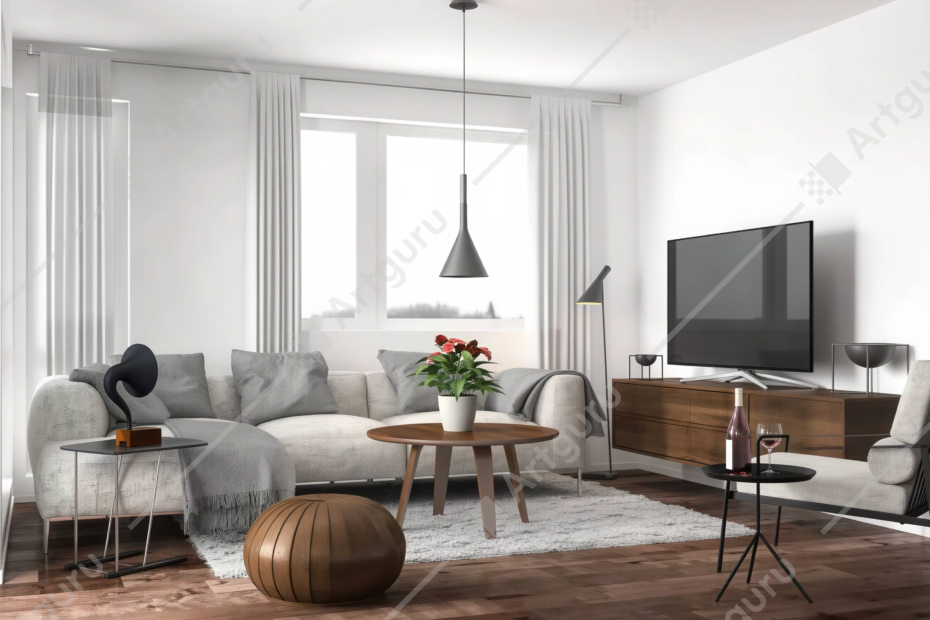
Make a small living room look bigger with simple changes to furniture, lighting, colors, and layout. A small living room can still feel open, comfortable, and stylish. You do not always need a larger house or an expensive renovation to create more visual space.
The right furniture, lighting, colors, and layout can make a noticeable difference. Even a few small changes can help the room feel less crowded.
The key is to use the available space carefully. Instead of filling every corner, choose items that serve a purpose and allow the room to breathe.
Here are ten simple ideas that can help make a small living room look bigger.
1. Choose Furniture That Fits the Room
Large furniture can quickly make a small living room feel crowded.
Before buying a sofa or chair, measure the available space. Consider both the width and depth of the furniture.
A compact sofa may provide enough seating without taking over the room. Similarly, a smaller coffee table can leave more walking space around it.
Furniture should match the size of the room rather than simply following the latest design trend.
For a broader look at improving your home, see our guide to Better Home and Living: Simple Home Ideas.
2. Keep Walking Areas Clear
An open pathway can make a room feel larger.
Place furniture so people can move easily from one part of the room to another. Avoid blocking doorways, windows, or important walking areas.
You may also find that moving a chair or side table creates more useful space.
A room does not need to be completely empty. It simply needs enough open space to feel easy to navigate.
3. Use Light Colors to Make a Small Living Room Look Bigger
Wall color can influence how spacious a living room feels.
Light shades such as soft white, cream, beige, and light gray can reflect more light. As a result, the room may appear brighter and more open.
You do not have to make everything white. Soft neutral colors can still create warmth while keeping the space visually light.
If you enjoy stronger colors, use them through cushions, artwork, plants, or small decorative pieces.
4. Make Better Use of Natural Light
Natural light can make a small room feel more open during the day.
Keep windows as clear as possible. Avoid placing tall furniture directly in front of a window when it blocks incoming light.
Light curtains can also help maintain a brighter appearance. Choose window treatments that allow daylight to enter while still providing the privacy you need.
When natural light is limited, use lamps to brighten darker corners.
A well-lit room often feels more welcoming and spacious.
5. Add a Well-Placed Mirror
Mirrors can create the impression of additional space.
A large mirror placed in a suitable position can reflect light and make part of the room appear deeper. You can place one opposite a window or another bright area.
However, avoid adding too many mirrors. One carefully positioned mirror can have more impact than several small ones.
Choose a frame that works with your existing décor so the mirror feels like part of the room.
6. Try Furniture With Visible Floor Space
Furniture that allows you to see more of the floor can help create a lighter visual appearance.
For example, a sofa with exposed legs may make the floor beneath it more visible. The same idea can work with chairs, tables, and other pieces.
This does not mean every item needs to have legs. Instead, combine solid pieces with lighter designs where appropriate.
Seeing more floor area can make the room feel less heavy.
7. Use One Main Focal Point
Too many decorative elements can make a small living room look busy.
Instead, choose one main feature that attracts attention. It could be a piece of artwork, a stylish sofa, a textured wall, or an attractive window.
Keep the surrounding décor simple so the focal point has room to stand out.
This approach creates a cleaner visual structure and prevents the eye from moving between too many competing objects.
8. Use Vertical Space
Small rooms often have unused wall space.
Tall shelves, narrow cabinets, wall-mounted storage, and vertical artwork can draw attention upward. This can make the room feel taller without taking up much floor space.
However, avoid filling every wall with shelves or decorations.
Leave some open wall area between important pieces. That balance can make the room feel more spacious rather than crowded.
9. Choose a Simple Rug
A rug can help define the living area, but its size and placement matter.
A very small rug can sometimes make the furniture arrangement look disconnected. Instead, choose a rug that works with the size and layout of the seating area.
Simple patterns can also help maintain a calm appearance. If the room already contains several patterns, a quieter rug may create better balance.
The goal is to define the space without making it visually complicated.
10. Avoid Filling Every Empty Corner
An empty corner is not necessarily wasted space.
Many people feel that every part of a room needs furniture or decoration. In a small living room, that approach can create the opposite effect.
Leaving some areas open gives the room visual breathing space.
Before adding another table, plant, chair, or decoration, ask whether it provides a real purpose. If it does not, leaving the area empty may actually improve the room.
Arrange Your Living Room Around Real Use
A living room should work for your everyday routine.
Think about how you use the space. Perhaps you watch television, read books, work occasionally, drink coffee, or spend time with family.
Arrange the furniture around those activities rather than copying a picture from a magazine.
For example, if conversation is important, position seating so people can comfortably face one another. If reading is part of your routine, create a small reading area near a good light source.
Practical design usually works better than decoration alone.
Use Fewer but Better Decorative Pieces
Small rooms benefit from thoughtful decoration.
Instead of placing many small objects on shelves and tables, choose a few pieces that you genuinely like.
A plant, artwork, vase, or small collection of books may be enough to give the room personality.
Reducing visual clutter does not mean removing all character. It simply creates a clearer balance between decoration and open space.
If you are also working on household organization, our guide 10 Simple Ways to Keep Your Home Organized has practical ideas for keeping everyday spaces manageable.
Make the Room Feel Bigger Without a Renovation
You can create a more spacious feeling without changing the structure of your home.
Start with the easiest improvements. Move furniture away from blocked pathways, open the windows, improve lighting, and remove items that are not being used.
Next, consider bigger changes such as a different sofa, a larger mirror, or a better furniture arrangement.
Making one change at a time allows you to see what actually improves the room.
Keep the Design Consistent
A consistent design can make a small living room feel calmer.
Try to keep the main colors and materials connected. For example, neutral walls can work with natural wood, soft fabrics, and a few carefully selected accent colors.
When every item has a completely different style, the room may feel visually busy.
A simple design does not have to be boring. Small details can still add personality while maintaining a clear overall look.
Final Thoughts
Making a small living room look bigger is mostly about using space thoughtfully.
Choose furniture that fits the room, keep pathways open, make the most of natural light, and use light colors where they suit your style. Mirrors, vertical space, simple rugs, and fewer decorative items can also improve the overall appearance.
Most importantly, do not feel pressured to fill every available area.
A smaller living room can feel spacious when the layout supports everyday life. With a few practical changes, you can make a small living room look bigger and create a space that feels open, attractive, and comfortable without a major renovation.
For more ideas about creating a functional home, you can also read Home and Living: A Guide to a Comfortable Home.